
Flash Sales Without Brand Dilution: How Value-Add Rewards Protect Your Luxury Pricing Structure
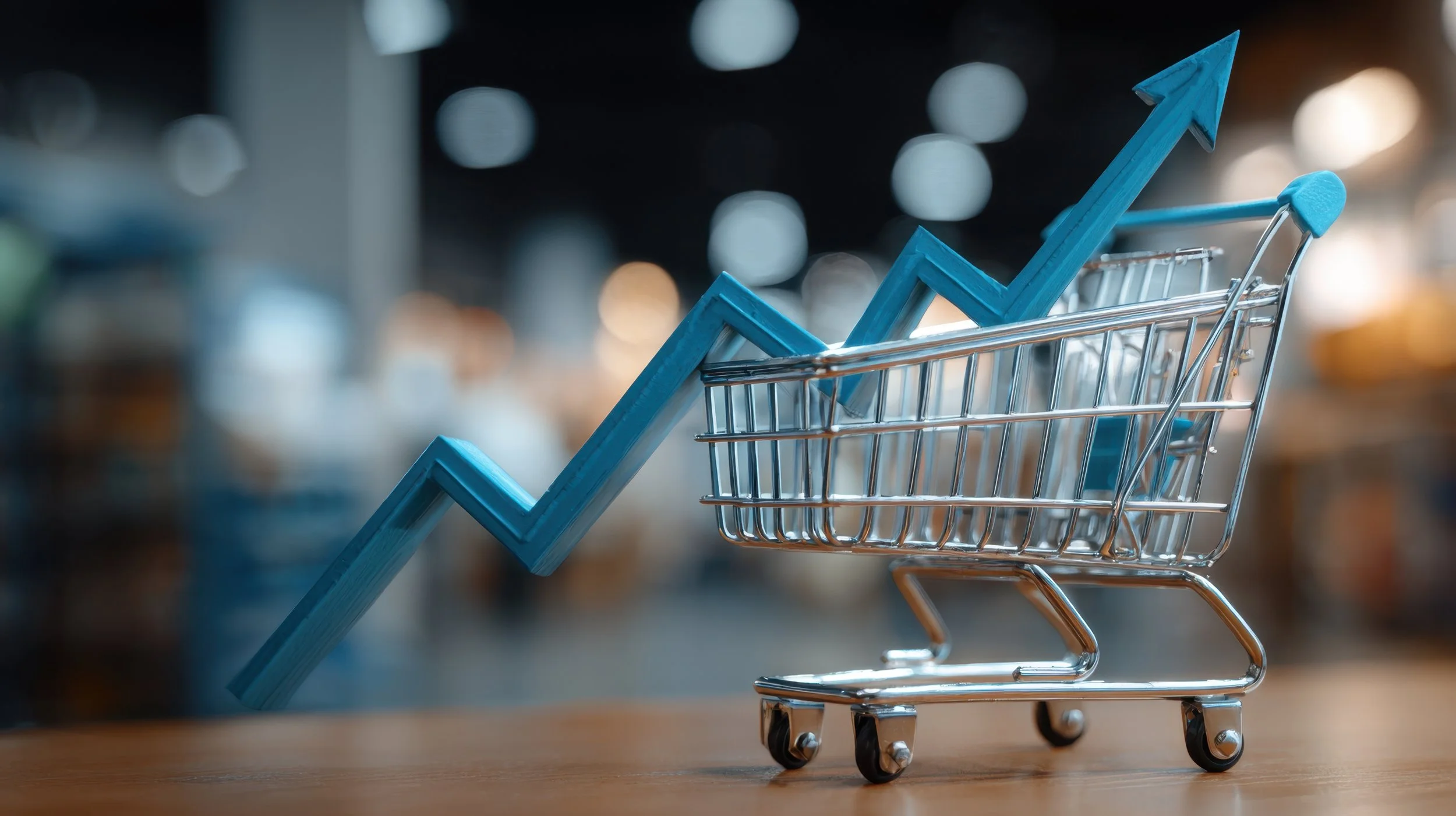
How do you accelerate short-term sales volume without sacrificing long-term brand equity? For premium brands and enterprise B2B organisations, the temptation to deploy tactical, price-slashing flash sales has never been higher. Yet, shaving margins creates a dangerous "race to the bottom" that alters client perceptions and dilutes prestige. The alternative is shifting from "money-off" to "value-on." By substituting transactional discounts with high-end lifestyle incentives, premium businesses can spark immediate commercial urgency, protect their baseline pricing models, and cultivate lasting customer loyalty.
Flash Sales Without Brand Dilution: How Value-Add Rewards Protect Your Luxury Pricing Structure
The modern premium marketplace presents a challenging dilemma for high-end brands and B2B marketers: how do you drive short-term sales volume without eroding long-term brand equity? In an economic environment where consumer spending is highly scrutinised, the temptation to deploy tactical, price-slashing flash sales is at an all-time high.
However, for luxury and premium brands, heavy discounting is a dangerous trap. Slashing prices by 20% or 30% to hit a quarterly target might clear inventory or trigger a temporary spike in customer acquisition, but it leaves behind lasting collateral damage. It dilutes the premium positioning that took years to cultivate, strips away profit margins, and alters how customers perceive your value proposition.
The alternative is shifting the promotional mechanism from "money-off" to "value-on." By embedding premium, experiential incentives into your promotional campaigns, your business can execute high-impact flash sales, protect its core luxury pricing structure, and leverage modern luxury corporate incentives to achieve commercial goals.
The Psychology of Premium Pricing and the Peril of the Discount
Luxury and premium brands do not compete on price; they compete on perceived value, prestige, exclusivity, and emotional connection. When a customer purchases a premium product or service, they are buying into a lifestyle, a standard of quality, and a distinct psychological reward.
When a brand introduces frequent, public price discounts, it triggers the mechanism of brand dilution. According to recent research on retail promotions from Shopify UK, running too many direct discounts causes 11.7% of surveyed consumers to view a brand as "cheap," while another 10.6% will abandon a brand entirely if it relies on aggressive markdowns.
Direct discounting trains your audience, whether B2B corporate buyers or high-value retail consumers, to adopt a holding pattern. They stop buying at full retail price, choosing instead to wait for the next inevitable flash sale.
Furthermore, data from the British Retail Consortium indicates that consumers routinely suppress their discretionary spending for weeks in anticipation of promotional periods. For a premium brand, this price conditioning destroys gross margins and shifts your customer base from loyalty-driven advocates to price-sensitive opportunists.
Flipping the Mechanism: What are Value-Add Experiential Rewards?
To achieve brand dilution prevention while still generating the urgency required for a flash sale, premium brands must flip the promotional model. Instead of lowering the price to meet the customer's cost threshold, you elevate the total package value to far exceed it. This is the essence of value-add marketing.
Instead of offering a cash discount, brands introduce premium corporate gifting trends, such as gifting an experience with a purchase.
The Value-Add Philosophy: If a client is hesitant to purchase a premium £1,000 corporate package, a traditional flash sale might lower the price to £800. A value-add campaign keeps the price at £1,000 but includes a luxury £200 Red Letter Days voucher for a fine dining or spa experience.
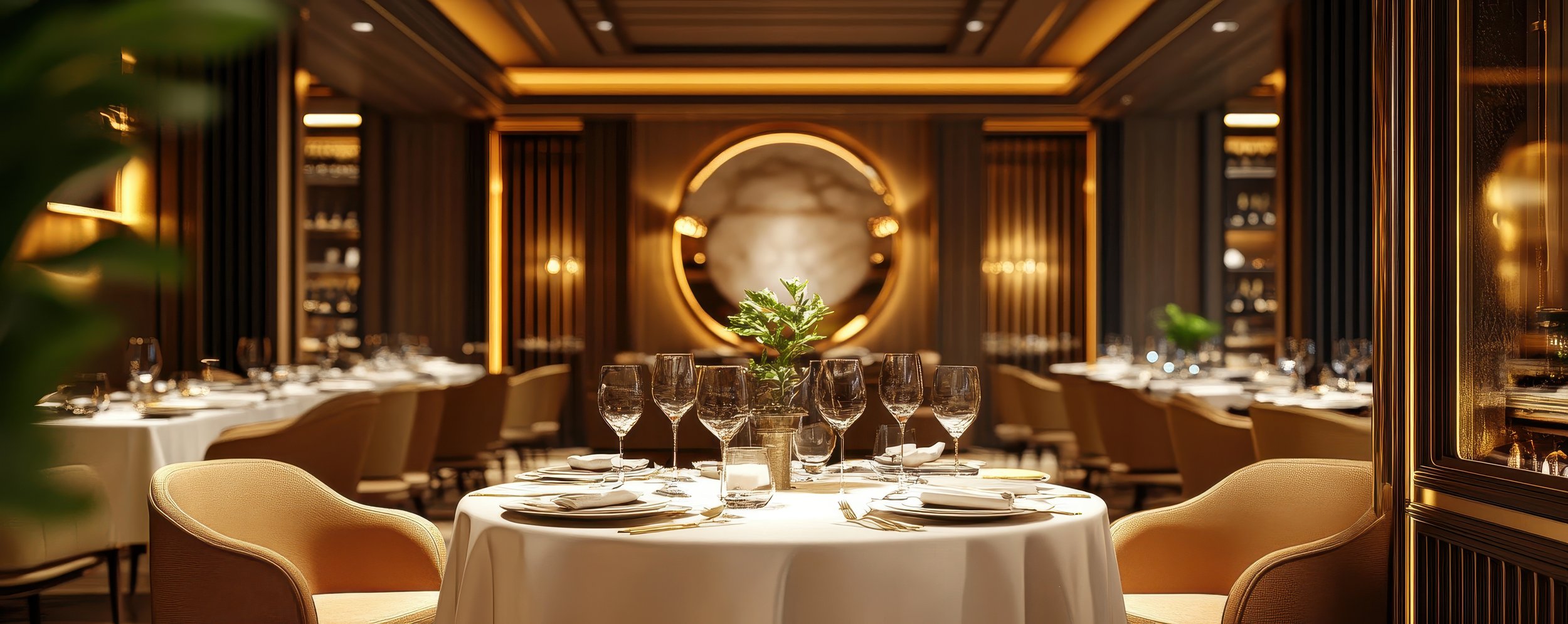
The financial cost to the business may appear similar on paper, but the psychological impact on the consumer is entirely different:
The price structure remains intact. The product's baseline value is never compromised in the mind of the consumer.
The incentive feels like a luxury gift. It reframes the transaction from a cheap bargain into an exclusive, high-value opportunity.
It utilises experiential rewards for customer loyalty. Material rewards are easily forgotten, but an experience creates a lasting emotional connection back to your brand.
Core Strategies: Implementing Luxury Brand Protection Strategies
Implementing value-add rewards requires tactical execution to ensure the promotion feels premium rather than gimmicky. Below are three refined luxury brand protection strategies to use in your next promotional cycle:
Strategy A: The Evolved Gift-With-Purchase (GWP)
Traditional GWPs often involve cheap, branded merchandise that risks further diluting a luxury name. The evolved premium alternative replaces physical items with high-end, flexible experiential vouchers. For instance, a luxury automotive or corporate tech brand running a 48-hour flash activation can offer an exclusive Red Letter Days Choice Voucher for every corporate contract signed or premium order placed. This aligns the purchase with high-end lifestyle benefits without lowering the entry price of your core service, offering options ranging from track days to a luxury spa day.

Strategy B: Tiered VIP Incentives to Drive Upselling
Rather than discounting entry-level tiers to attract volume, use premium lifestyle rewards to incentivise clients to spend more. For example, design a flash campaign where spending an extra 20% above their typical baseline unlocks an exclusive corporate reward, such as a luxury helicopter tour or a Michelin-starred tasting experience. This shifts the focus from cost-cutting to value-maximisation, effectively protecting your brand's prestige.
Strategy C: Closed-User-Group Exclusive Rewards
Public discounting is the fastest way to trigger brand erosion. If you must run a promotional campaign targeted at customer acquisition or volume generation, confine the promotion to a private, closed-user group. By offering high-end incentives through a dedicated, password-protected portal, your public-facing pricing structure remains pristine, while your highest-value clients receive targeted, elite incentives.
Explore how to implement these reward structures across your customer journeys by visiting our specialised guides on customer incentives and targeted customer acquisition.
Aligning with Premium Corporate Gifting Trends
The corporate world has shifted away from generic, uninspired corporate merchandise. Modern B2B audiences, executive clients, and top-tier partners expect personalisation, flexibility, and meaning from the brands they interact with.
Current premium corporate gifting trends point directly toward choice and memory-making. When a business partners with Red Letter Days Corporate, they gain access to thousands of luxury experiences across the UK, from iconic London hotel stays to adrenaline-fuelled track days.
By substituting a price cut with an experiential reward, you are fulfilling a modern consumer desire. Data from PwC UK's Retail Outlook highlights that consumers are increasingly cautious with discretionary spending, actively looking for ways to treat themselves and their loved ones within stricter financial limits. They are scrutinising value-for-money and prioritising meaningful, experience-led interactions. Offering a luxury experience alongside a premium B2B purchase satisfies this desire perfectly, matching the demand for high-value lifestyle enhancements.

Strategic Business Benefits: Moving Beyond the Transaction
When you replace traditional discounting with value-add incentives, the business benefits extend far beyond safeguarding your public price point:
Protection of Gross Margins: Because you are not lowering your core pricing, you prevent a race to the bottom, ensuring your base profit margins remain secure.
Elevated Customer Lifetime Value (LTV): A discount provides a fleeting financial high. An experience creates a memory. When a client associates your brand with a luxury weekend getaway or a premium spa day, you build deep brand affinity that pays dividends in long-term customer retention and organic word-of-mouth advocacy.
Deeper Customer Engagement: Transitioning to value-add solutions allows you to build a continuous relationship with your clients. Rather than a purely transactional relationship based on cost, you build a lifestyle partnership rooted in engagement. Learn more about optimising these relationships via our dedicated customer engagement portal.
Conclusion & Actionable Next Steps
Executing a high-performing flash sale does not require you to compromise the price integrity or prestige of your premium brand. By moving away from margin-eroding discounts and embracing high-end, value-add experiential rewards, you can capture short-term consumer urgency while reinforcing your luxury status.
Through tailored luxury corporate incentives, your promotional campaigns can deliver real lifestyle value that resonates with modern corporate buyers and consumers alike.
Are you ready to design a high-impact promotional campaign that drives revenue without sacrificing your margins? Contact the experts at Red Letter Days Corporate today to craft a bespoke experiential reward strategy that elevates your business objectives while protecting your premium brand identity.